
-how we date (most US couples now meet on line)
-what it means for friendships and discourse
-what it means for female empowerment and visual signalling
The internet is the primary way couples meet today in the US and I suspect most of the connected rich economies.
This is already having profound implications on several trends.
I missed the era of dating apps although I did organise a few speed dating events as a tiny startup experiment. It was a much less efficient precursor to what we can see in Tinder and the like today.
Trends amongst many I observe are:
Increased power to women (het)
Increased ease/safety to certain minority groups
Increased value to “visual signalling”
Decreasing power to weak friendships and potentially decreasing mixing of different viewpoints within friendships, non-romantic relationships.
Het women in their 20s now have pretty much the entire age range of men as potential mates and very low cost to switching dates powered by apps and the web.
The outcomes are many shorter relationships, as people discover red flags earlier and the cost to switching is low.
Women don’t have to stay within the typical social and friendship hierarchies to find mates.
The rise of “ghosting” is because the cost of switching away is so low. Mostly in social cost. Who cares if you ghost? It’s easier than the awkward (social cost) conversation of telling them you don’t want to see them again.
As initial contact is visual and initial signalling is also visual - mostly Instagram over FB but perhaps some of both, plus messaging - social visual signalling value is on the increase. Think cosmetics, teeth alignment, rentable fashion perhaps; signalling of experience (selfie).
Also note this phenomenon is not so well understood - on average - by those over 40 who mostly haven’t experienced these phenomena as strongly. (Early Last decade people used to lie if they met online, now it’s the norm they don’t.)

The advantages to gay, same-sex, religious and other minority groups was obvious earlier - with same-sex online meet-ups being overwhelmingly the main way of relationship formation from last decade.
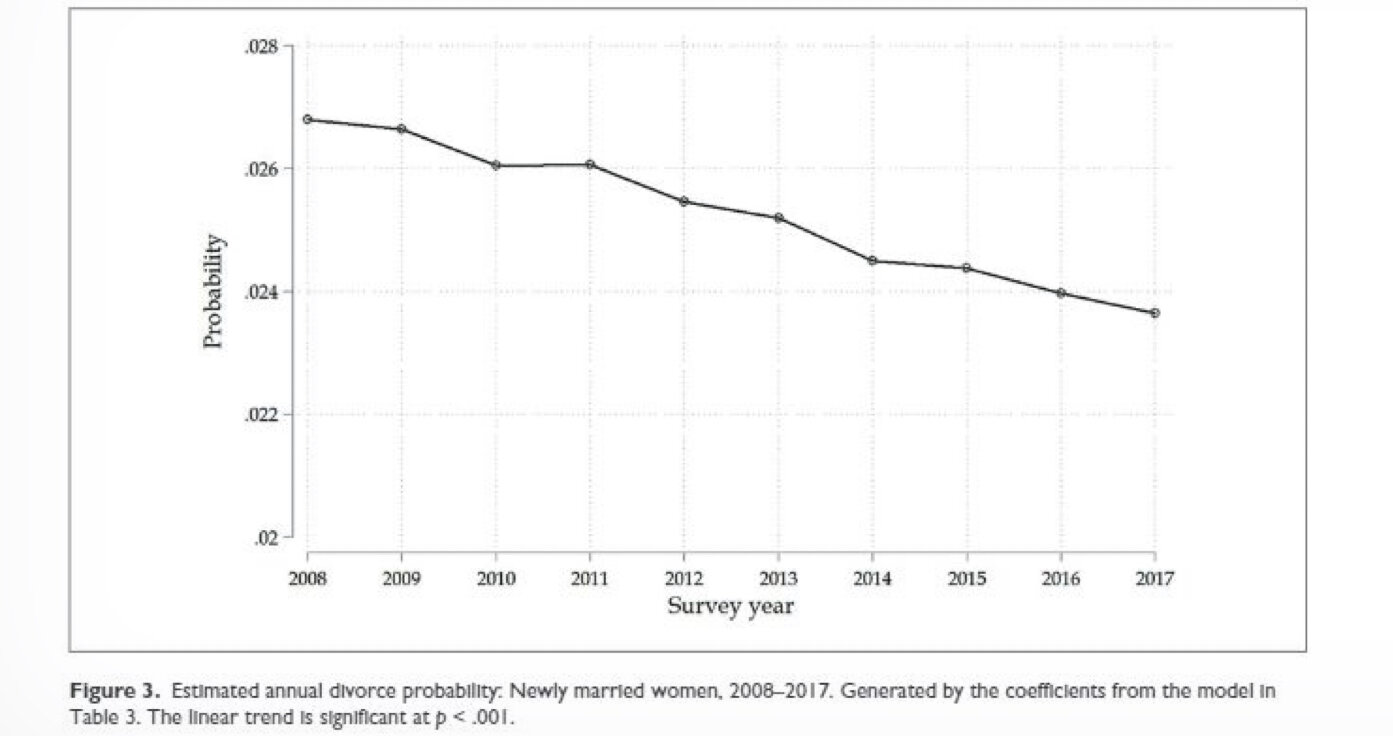
There’s initial evidence that potentially marriage stability is now increasing. It’s tentative but it might be that the online selection process is leading - at least for now - to more stable longer term relationships.
The second order downside is - I think - in friendship formation and the creative clashing on meeting people who think differently to you.
I acknowledge this is costly. Going to friends or friends house parties or after-work drinks with a partial goal of finding potential dates is time, effort and socially effortful.
However it had the side-effect of real world meetings that lead to friendships, networks and increasing social capital. IMO.
These gatherings enhance social cohesion and capital as different thinkers (classes, politics etc) tend to civility and understanding in real world interactions (over online).
This social effect is somewhat hard to study but comes under the “contact or extended-contact hypothesis”. That’s typically seen in reducing discrimination and racism under the right circumstances. Overall, I would see it as reducing “hatred” between, say, left-right or brexit-remain or other clashing groups. These groups continue to clash online and in the media, but my observations is that real world meetings are more benign.
As dating has been moved into a somewhat separate field of endeavour, the spillover for forming friendships or meeting different thinking people has - I think - decreased and won’t be helping civility, polarisation and empathy. Perhaps I extend this too far, but I seem to see a similar effect on some social media platforms. You connect like with like and you are shown things you like or cause you outrage; you are not shown naturally nuanced views which might be somewhat different to your in an engaging way, that you have to engage with - as you might in an after work drinks situation.
It could well be that the benefits particularly to women outweigh the negative trade-offs. But it might also account for why safe interesting mixed live event meet-ups continue or will continue to flourish on a local level. As we still need more of them too. And that’s partly the impulse behind the Mingle I host.
A chart on how women rate men (skewed) vs man rating women (normal-ish)

Source: Dataclysm, (Rudder)
Links: Next Mingle Details.
The time I went to visit one of the most people on earth the Wana Tribe.
Sign up to monthly newsletter below.